The library
Every monograph and editorial we've published — mechanism, evidence, and the researchers behind the work.
March 2, 2026
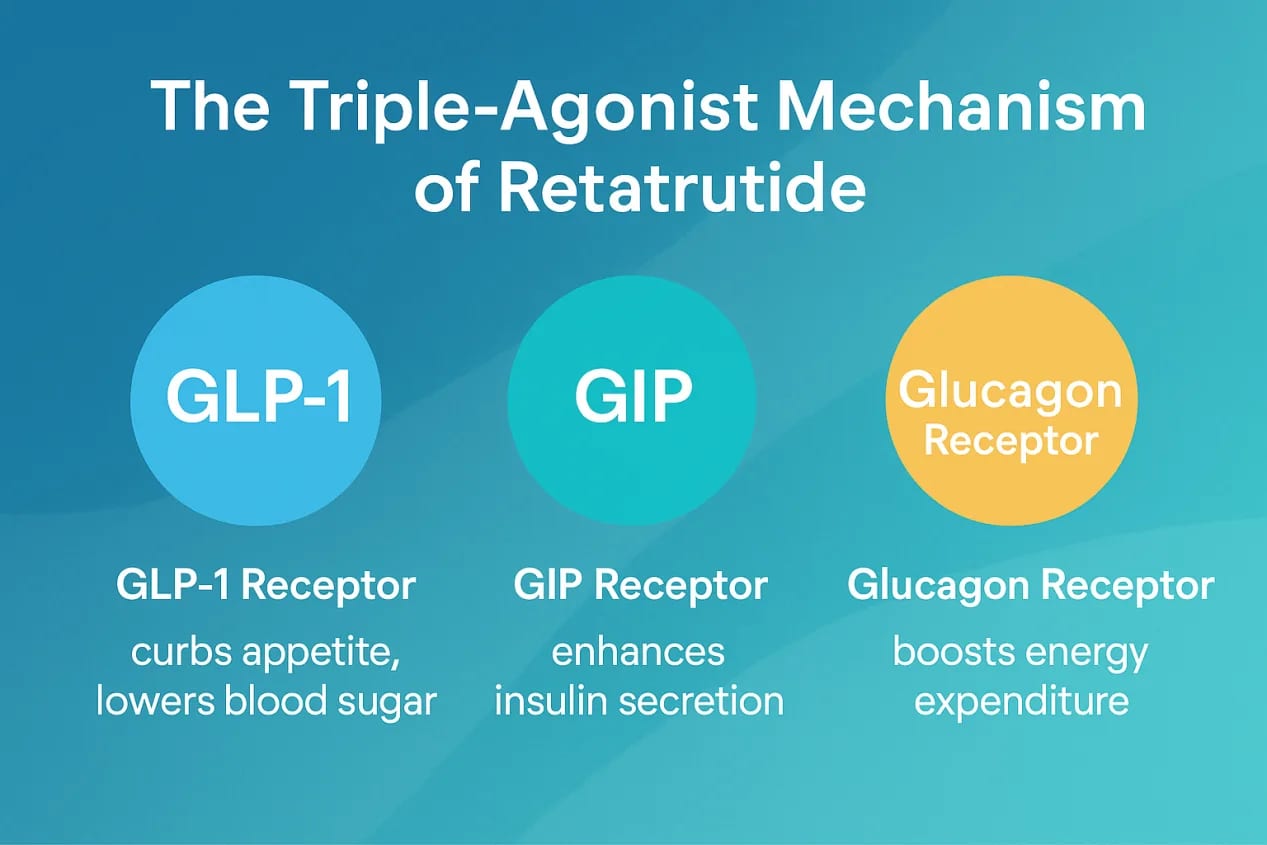
GLP-3R is a triple-receptor agonist (GIP / GLP-1 / glucagon) currently in Phase 2/3 clinical trials for obesity and type 2 diabetes, developed by Eli Lilly. It has demonstrated up to ~24% body weight reduction at 48 weeks in the highest dose groups — surpassing earlier dual-agonist drugs like tirzepatide.
February 24, 2026
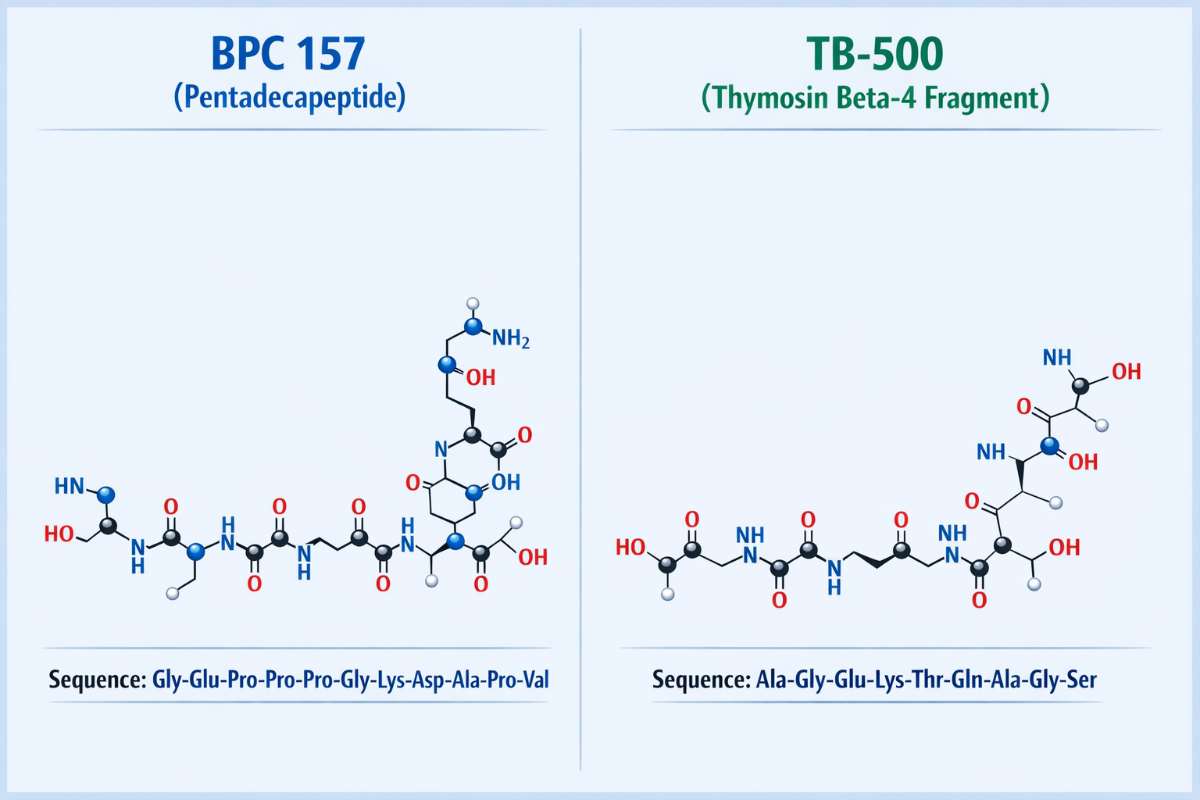
BPC-157 is a synthetic 15-amino acid pentadecapeptide derived from a protective protein in human gastric juice. It promotes tissue-repair signaling by upregulating VEGF pathways, stimulating tendon fibroblast migration, and accelerating collagen synthesis — validated in preclinical musculoskeletal and gastrointestinal healing models.
February 17, 2026
TB-500 is a synthetic fragment of Thymosin Beta-4 (Tβ4), an endogenous 43-amino acid protein found in virtually all human tissues. It regulates actin polymerization, enabling rapid cell migration to injury sites, and stimulates angiogenesis to restore blood flow to damaged tissue. Human clinical trials have confirmed efficacy in corneal wound healing.
February 10, 2026
GHK-Cu is a naturally occurring copper-binding tripeptide found in human plasma that acts as a signal peptide, upregulating genes for collagen, elastin, and glycosaminoglycan synthesis while suppressing inflammation and oxidative stress. It has been extensively documented in dermatology research for skin density, wrinkle reduction, and hair follicle repair.
February 3, 2026
MOTS-c is a 16-amino acid mitochondrial-derived peptide (MDP) encoded within mitochondrial DNA. Under metabolic stress it translocates to the cell nucleus, acting as a transcription factor regulating antioxidant response and energy metabolism. It activates AMPK, mimics several metabolic effects of exercise, and has demonstrated neuroprotective properties in animal models.
January 27, 2026
AOD-9604 is a synthetic 16-amino acid fragment of human growth hormone (residues 177–191) engineered to isolate the lipolytic, fat-clearing effects of hGH while eliminating somatogenic and diabetogenic side effects. Originally developed at Monash University in the early 1990s, it produced strong preclinical and early-human data before a Phase IIb trial failed to demonstrate statistically significant weight loss. Research continues in osteoporosis contexts.
January 20, 2026
Melanotan II is a cyclic, non-selective melanocortin receptor agonist (MC1R, MC3R, MC4R) developed in 1989 in the laboratory of Victor J. Hruby at the University of Arizona. It has been studied for pigmentation biology, energy balance, central melanocortin signaling, and behavioral pathways. It is the precursor from which bremelanotide (PT-141) was derived.
January 13, 2026
Ipamorelin is a synthetic pentapeptide GHRP that selectively activates the ghrelin receptor (GHS-R1a) to stimulate pulsatile growth hormone release without raising cortisol, prolactin, or aldosterone — a key safety advantage over older GHRPs like GHRP-2 and GHRP-6.
January 6, 2026
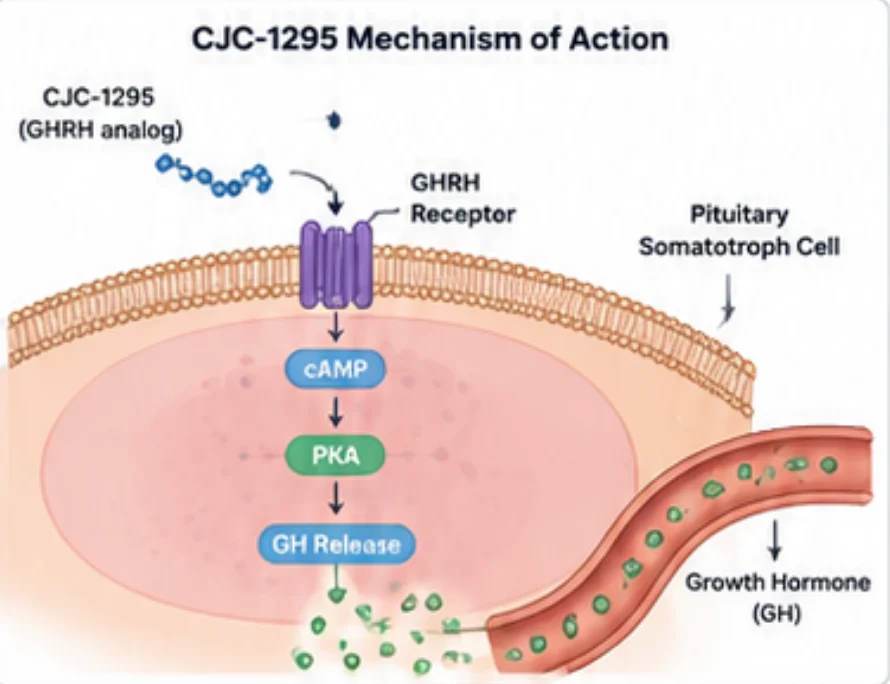
CJC-1295 is a synthetic tetrasubstituted GHRH analog engineered with four amino acid substitutions to resist DPP-IV enzymatic cleavage. The DAC (Drug Affinity Complex) formulation covalently binds to albumin in vivo, extending plasma half-life to 6–8 days and enabling once-weekly dosing. In April 2026, the FDA classified both CJC-1295 formulations as Category 2 prohibited substances under 503A compounding pharmacy laws.
December 30, 2025
Tesamorelin is an FDA-approved 44-amino acid synthetic GHRH analog modified at the N-terminus with a hexenoyl group to resist DPP-IV degradation. Unlike compounded GHRH analogs, it holds a stable FDA-approved indication for reducing visceral adipose tissue in HIV-associated lipodystrophy by stimulating natural pulsatile GH release without the continuous receptor saturation risks of long-acting DAC formulations.
December 16, 2025
KLOW is a compounded quad-peptide repair stack formulated in an 80 mg vial containing BPC-157 (15 mg), TB-500 (15 mg), GHK-Cu (50 mg), and KPV (15 mg). Each peptide targets a distinct, non-overlapping healing pathway: VEGF-driven collagen remodeling (BPC-157), actin-regulated cell migration (TB-500), gene-modulated extracellular matrix stabilization (GHK-Cu), and NF-κB pathway inhibition for immune control (KPV).
December 9, 2025
GLOW is a compounded injectable aesthetic formulation packaged as a 70 mg vial combining GHK-Cu, reduced L-glutathione (GSH), and ascorbic acid (Vitamin C). It targets skin density, dermal texture, hyperpigmentation, and oxidative-stress reduction. A 2025 systematic review flagged IV/systemic glutathione as having insufficient efficacy data and elevated adverse-event risk, and no RCTs have evaluated this specific three-ingredient mixture.
December 2, 2025
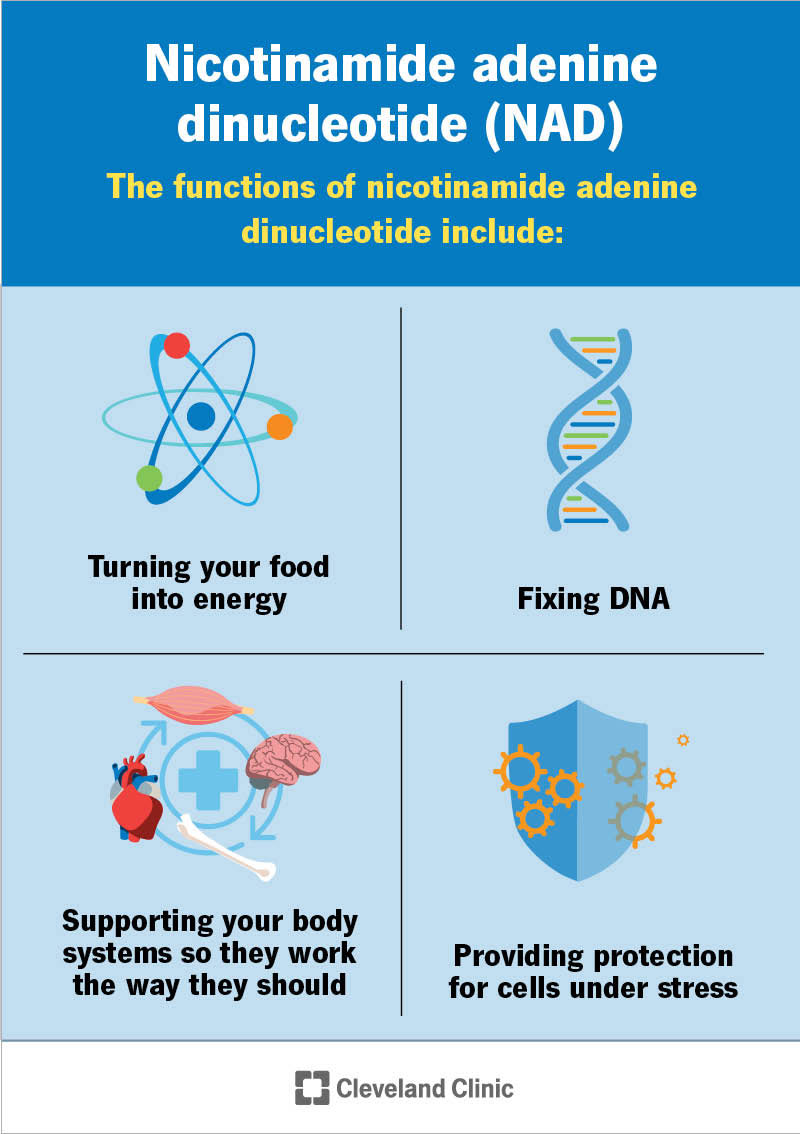
NAD+ is a coenzyme present in every living cell, essential for mitochondrial energy metabolism, redox reactions, and DNA repair via PARP enzymes. It also serves as a substrate for sirtuins, which regulate chromatin structure and stress responses. Endogenous NAD+ levels decline with age, making it a central focus of longevity research.