Volume I · Est. MMXXVI

The peptide field notes.

An editorial library of peptide science. Rigorous research, responsible communication, written for licensed practitioners and serious students of the field.

14 articlesUpdated quarterlyEducational use only

The cover story

Editorial — Long read

March 2, 2026

Peptides: Buzzword or Breakthrough?

An honest look at what's proven, what's promising, and what's premature in peptide science — from the Reform Medical Team.

Read the editorial
Reform Wellness Peptides

The library

Compound monographs.

Each entry distills the mechanism, the leading research, and the people pushing the work forward — without the marketing.
Compound №02

February 24, 2026

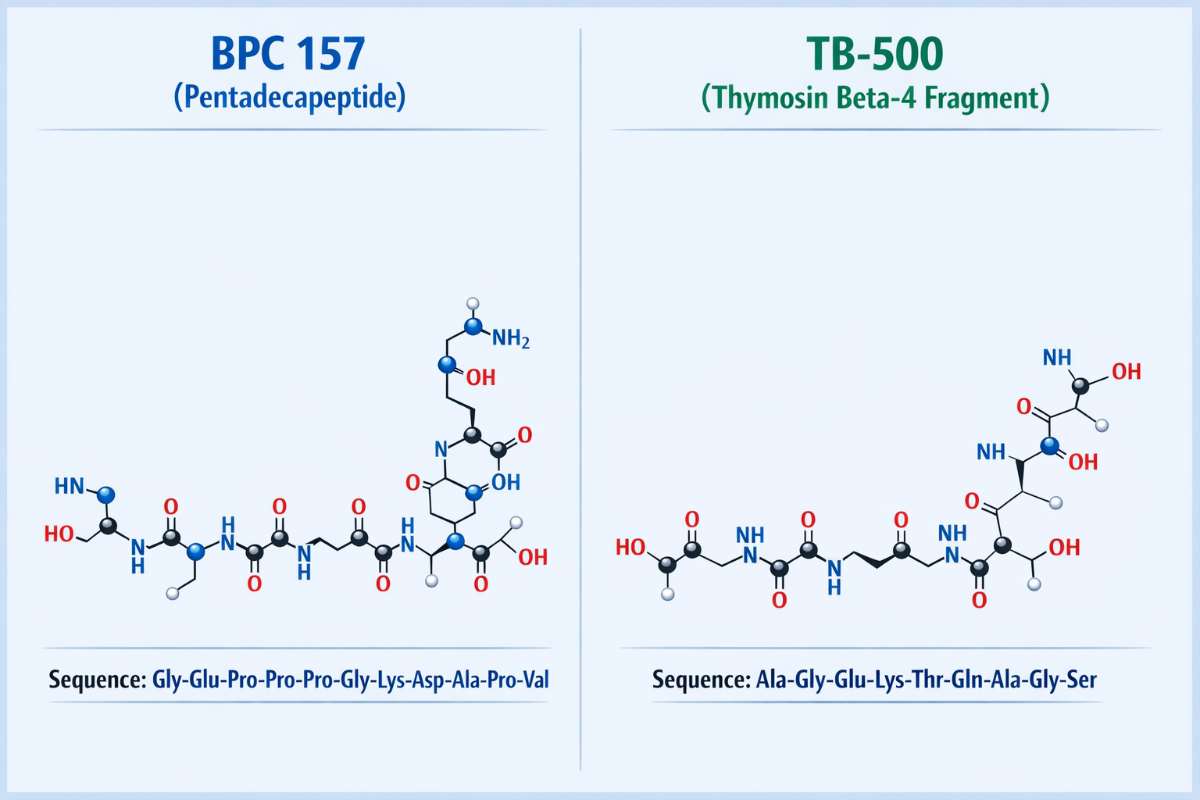
BPC-157 (Body Protection Compound 157)

BPC-157 is a synthetic 15-amino acid pentadecapeptide derived from a protective protein in human gastric juice. It promotes tissue-repair signaling by upregulating VEGF pathways, stimulating tendon fibroblast migration, and accelerating collagen synthesis — validated in preclinical musculoskeletal and gastrointestinal healing models.

Compound №03

February 17, 2026

TB-500 (Thymosin Beta-4)

TB-500 is a synthetic fragment of Thymosin Beta-4 (Tβ4), an endogenous 43-amino acid protein found in virtually all human tissues. It regulates actin polymerization, enabling rapid cell migration to injury sites, and stimulates angiogenesis to restore blood flow to damaged tissue. Human clinical trials have confirmed efficacy in corneal wound healing.

Compound №04

February 10, 2026

GHK-Cu (Glycyl-L-Histidyl-L-Lysine Copper)

GHK-Cu is a naturally occurring copper-binding tripeptide found in human plasma that acts as a signal peptide, upregulating genes for collagen, elastin, and glycosaminoglycan synthesis while suppressing inflammation and oxidative stress. It has been extensively documented in dermatology research for skin density, wrinkle reduction, and hair follicle repair.

Compound №05

February 3, 2026

MOTS-c

MOTS-c is a 16-amino acid mitochondrial-derived peptide (MDP) encoded within mitochondrial DNA. Under metabolic stress it translocates to the cell nucleus, acting as a transcription factor regulating antioxidant response and energy metabolism. It activates AMPK, mimics several metabolic effects of exercise, and has demonstrated neuroprotective properties in animal models.