Predrag Sikiric, M.D., Ph.D.
University of Zagreb, Croatia
Pioneering researcher of BPC-157; foundational cytoprotection and tissue-healing studies.
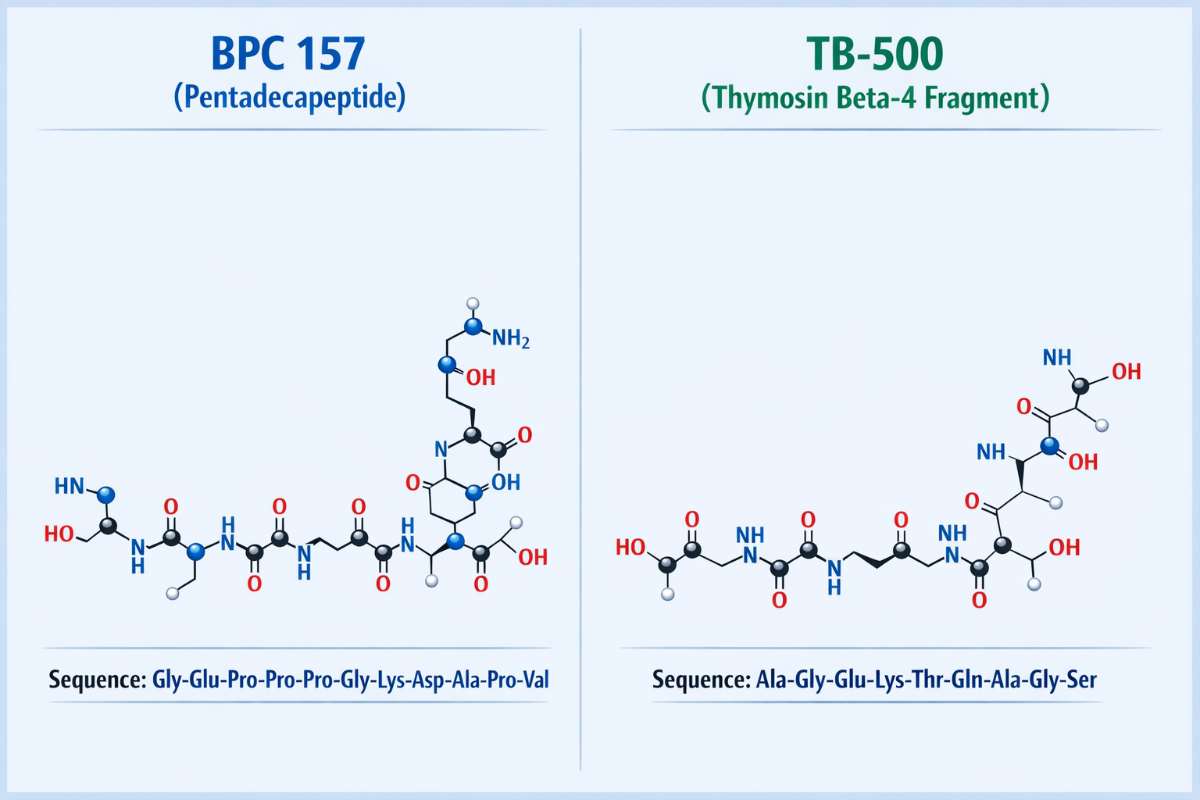
Synthetic pentadecapeptide studied in tissue-repair models
BPC-157 is a synthetic 15-amino acid pentadecapeptide derived from a protective protein in human gastric juice. It promotes tissue-repair signaling by upregulating VEGF pathways, stimulating tendon fibroblast migration, and accelerating collagen synthesis — validated in preclinical musculoskeletal and gastrointestinal healing models.
Regulatory note: In 2025 the FDA officially prohibited BPC-157 outside of formally approved research contexts. All references here are to preclinical and research-only data.
University of Zagreb, Croatia
Pioneering researcher of BPC-157; foundational cytoprotection and tissue-healing studies.
University of Zagreb
2003 seminal study on BPC-157 and Achilles tendon transection recovery.
Pharmaceuticals (MDPI, 2025)
Comprehensive multi-system review of BPC-157 in repair and recovery contexts.
Disclaimer: The compounds discussed are not intended for human or animal consumption. All information shared in this article is for educational purposes only.
Compound №01
Triple-receptor agonist in advanced metabolic research
ReadCompound №03
Actin-binding peptide investigated in regenerative research
ReadCompound №04
Endogenous copper-binding tripeptide in dermal and repair research
Read